Yoga
Services In Bidar
Introduction Of
Yoga
Yoga is essentially a spiritual discipline based on an extremely subtle science, which focuses on bringing harmony between mind and body. It is an art and scince of healthy living. The word ‘Yoga’ is derived from the Sanskrit root ‘Yuj’, meaning ‘to join’ or ‘to yoke’ or ‘to unite’. As per Yogic scriptures the practice of Yoga leads to the union of individual consciousness with that of the Universal Consciousness, indicating a perfect harmony between the mind and body, Man & Nature. According to modern scientists, everything in the universe is just a manifestation of the same quantum firmament. One who experiences this oneness of existence is said to be in yoga, and is termed as a yogi, having attained to a state of freedom referred to as mukti, nirvana or moksha. Thus the aim of Yoga is Self-realization, to overcome all kinds of sufferings leading to ‘the state of liberation’ (Moksha) or ‘freedom’ (Kaivalya). Living with freedom in all walks of life, health and harmony shall be the main objectives of Yoga practice.”Yoga” also refers to an inner science comprising of a variety of methods through which human beings can realize this union and achieve mastery over their destiny.Yoga, being widely considered as an ‘immortal cultural outcome’ of Indus Saraswati Valley civilization – dating back to 2700 B.C., has proved itself catering to both material and spiritual upliftment of humanity.Basic humane values are the very identity of Yoga Sadhana.
Benefits Of Yoga:
Different Forms of Yoga Therapy

Concentrative Meditation
It emphasizes the concentration of attention.
Benefits:

Mindfulness Meditation
It is a type of meditation in which you focus on being intensely aware of what you are sensing and feeling in the moment.
Benefits:
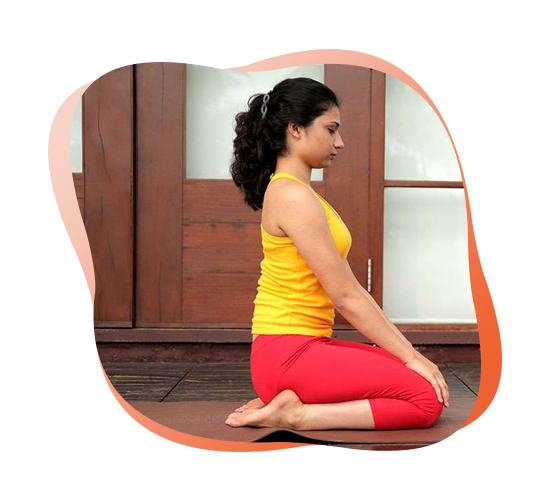
Vajrasana
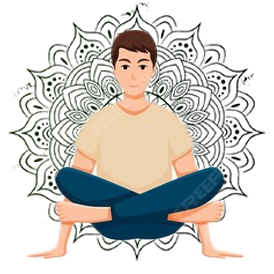
Vajrasana is the Sanskrit name for a seated yoga asana. This posture provides a deep stretch for the quadriceps and the tops of the feet, and is believed to assist in digestion.
Benefits:
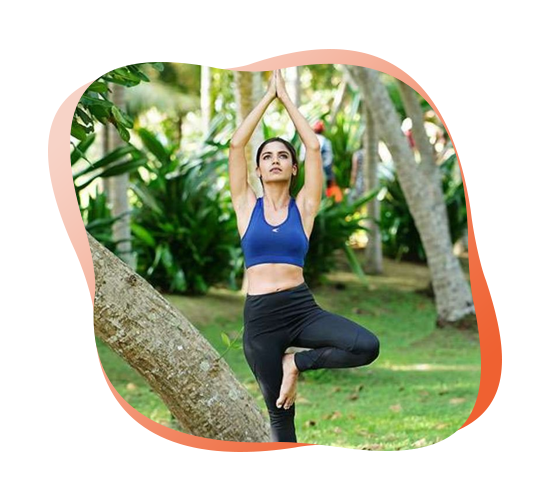
Vrukshasana
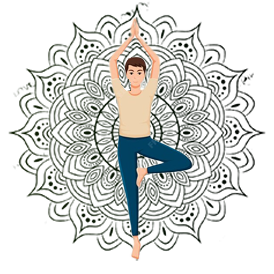
Vrikshasana is derived from the Sanskrit term which combines Vriksha and position Vriksha means Tree, and Asana means posture. Vrikshasan or the Tree pose is a lovely meditation which integrates our body, mind and breath
Benefits:
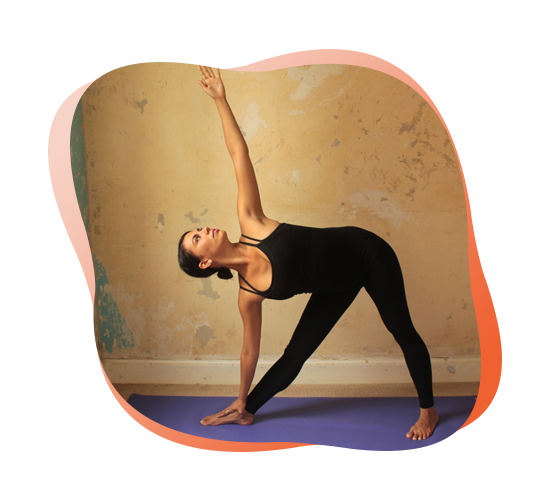
Trikonasana
Trikonasana is a standing posture of the Hatha Yoga type of Yoga. ‘Tri’ means three and ‘Kona’ means ‘corner’. So, trikonasana literally translates to ‘Three-corners’. It is named so as the final posture resembles a triangle formed by the torso, upper limbs and lower limbs
Benefits:
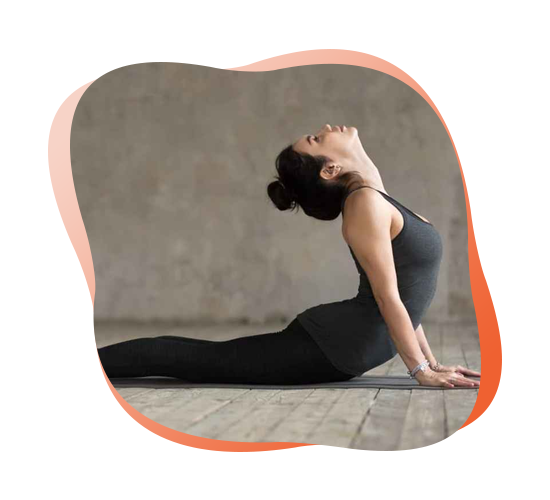
Bhujangasana
In Sanskrit, the word Bhujangasana comes a combination of two words- ‘bhujanga’ which translates to ‘cobra’ or and ‘asana’ meaning ‘posture’. Even visually it reflects the posture of a cobra that has its hood raised, and hence it is also known as ‘Cobra Pose’.
Benefits:

Adhomukhasvanasana
Adho Mukha Svanasana is derived from Sanskrit. Here adho means down, mukha means face, svana refers to dog, and asana is a posture or position. This pose is similar to that of a dog facing downward. Hence it is known as Adho Mukha Svanasana.
Benefits:
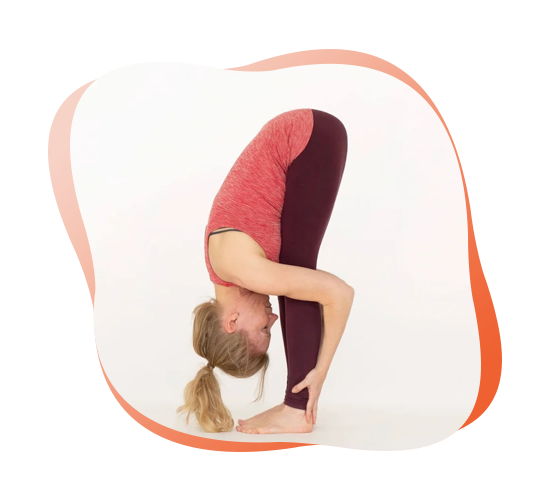
Uttanasana
In Sanskrit, ‘Ut’ means intense, ‘tan’ means stretch or extend, and ‘asana’ means pose or posture. Uttanasana yoga is a pose that intensely stretches the entire back of the body, including the spine, hips, and hamstrings. Hence, Uttanasana is also called the Standing forward bend pose.
Benefits:

Ardha Uttanasana
Ardha uttanasana is a standing forward fold that relaxes and restores the body and mind. In spiritual practice, this pose stimulates the third eye chakra and opens the heart. In this asana, the practitioner folds forward at the hips from a standing position, then lifts the head and heart, gently pressing them outward.
Benefits:
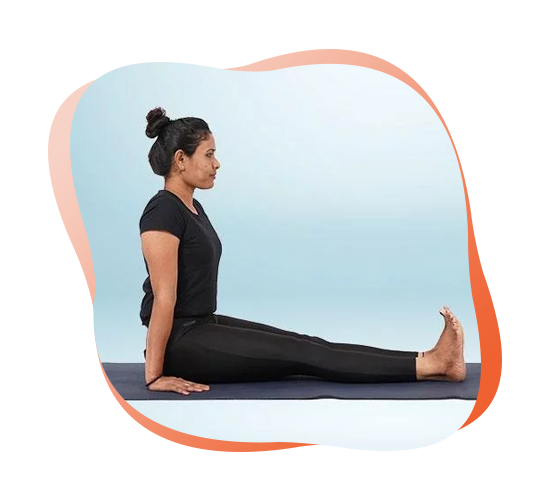
Dandasana
‘Danda’ means staff or stick, and ‘asana’ means pose. Hence, dandasana is also known as stick pose or staff pose.